
Burgers are among the most popular meals worldwide because they are convenient, flavorful, and easy to customize. From classic beef cheeseburgers to modern smash-style creations, there are countless ways to enjoy this familiar dish. For Muslims and others who prefer food prepared according to Islamic dietary requirements, however, the source of the meat and the way it is handled are just as important as the taste.
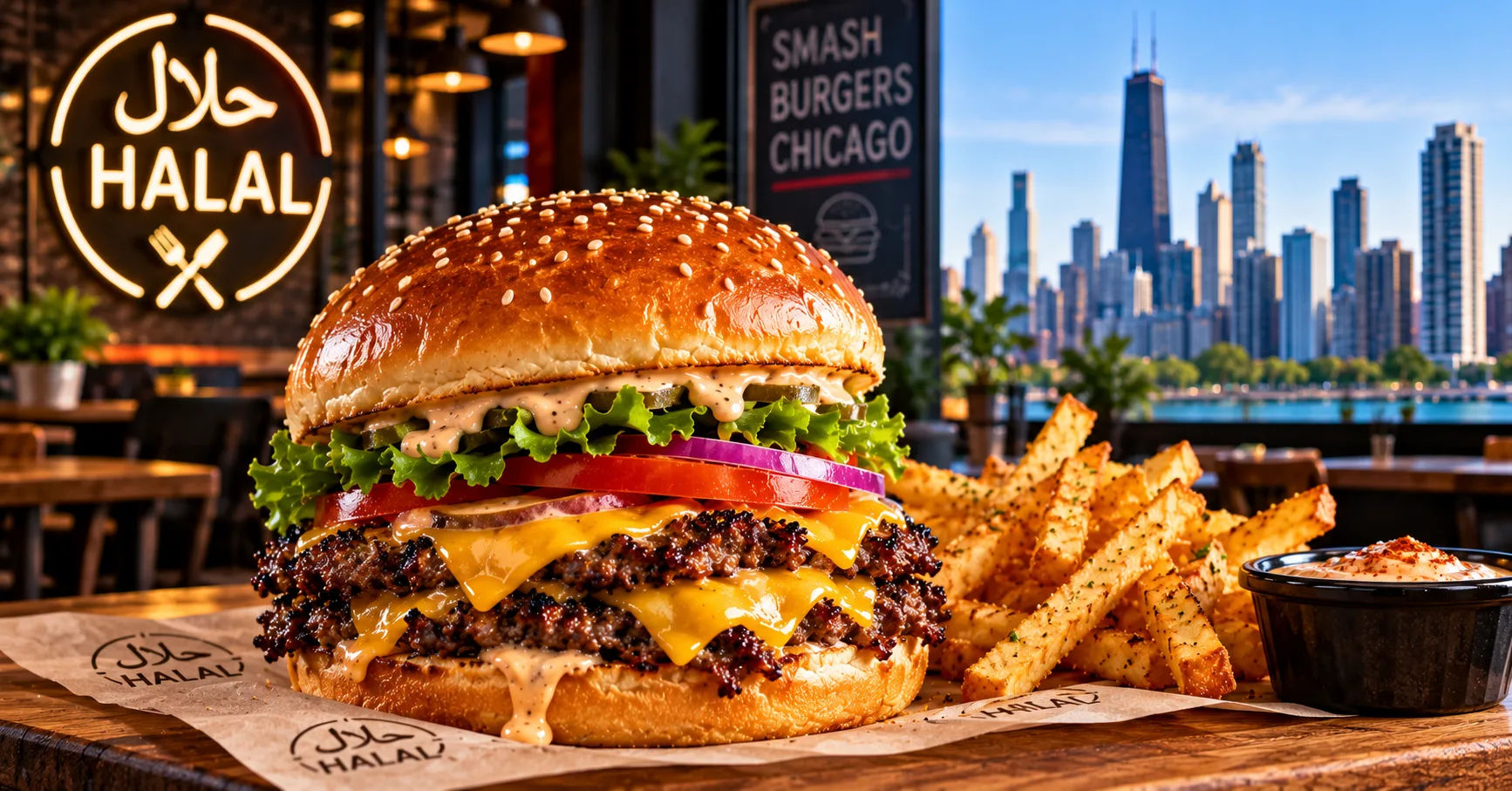
Zabiha halal burgers are burgers made with meat obtained through a slaughter process that follows Islamic requirements. The term zabiha refers to the prescribed method of slaughter, while halal means permissible under Islamic law. Together, these terms communicate that the meat is intended to meet specific religious dietary standards, although the ingredients and preparation of the entire burger also matter.
The growing interest in halal dining has encouraged many people to learn more about food sourcing, certification, and restaurant preparation. Even searches for Smash Burgers in Chicago can lead diners to questions about whether a restaurant uses zabiha meat, how its beef is sourced, and whether its kitchen follows appropriate halal practices. Understanding these details helps customers make informed choices while enjoying their favorite burger styles.
This comprehensive guide explains what zabiha halal burgers are, how the meat is prepared, how they differ from ordinary burgers, which ingredients matter, and what customers should consider when buying or making them at home.
What Does Zabiha Halal Mean?
To understand zabiha halal burgers, it helps to look at the two words separately.
Zabiha is commonly used to describe meat obtained through Islamic ritual slaughter. The process follows religious requirements concerning the animal, the person carrying out the slaughter, and the method used.
In general, the animal must belong to a species permissible for consumption, be alive at the time of slaughter, and be slaughtered in accordance with the applicable Islamic rules. The required invocation and the cutting of the relevant blood vessels are important elements of traditional zabiha practice.
Details and interpretations can vary among Islamic authorities and halal-certification organizations. Some standards also establish specific rules about stunning, supervision, and slaughterhouse procedures.
For this reason, the label zabiha should be supported by reliable information about how the meat was sourced and processed.
Understanding Halal
Halal means permissible under Islamic law. It applies to more than meat alone.
A meal can contain halal meat but still raise concerns if it includes prohibited ingredients or is prepared in a way that violates the applicable halal requirements. For example, a beef burger might use permissible meat but contain a sauce with an unsuitable ingredient.
A zabiha halal burger therefore requires attention to the meat, bun, cheese, sauces, seasonings, and food-handling practices.
The central principle is that the complete meal should meet the relevant dietary requirements, rather than relying on the meat label alone.
How Are Zabiha Halal Burgers Different From Regular Burgers?
The main difference lies in how the meat is sourced and prepared, rather than in the burger's appearance or cooking technique.
A conventional beef burger can look and taste exactly like a zabiha halal burger. Both can contain ground beef, cheese, lettuce, tomatoes, onions, and sauces. However, the meat in a zabiha burger must meet the relevant Islamic slaughter requirements.
It is important to understand that halal and zabiha are sometimes used differently by various suppliers and certification organizations. Some customers specifically look for hand-slaughtered meat, while other halal standards may permit certain forms of mechanical slaughter or stunning. When these distinctions matter to you, ask the supplier or certifier about its specific requirements.
What Ingredients Are Used in Zabiha Halal Burgers?
A zabiha halal burger can be simple or elaborate. The ingredients depend on the recipe, but the following components are common.
Ground Beef
Beef is a popular choice because it provides a savory taste and works well with different cooking techniques. The meat should come from a supplier that can provide suitable assurance of its zabiha status.
Some burger restaurants use freshly ground beef, while others use prepared patties. Either option can work, provided the meat meets the diner's halal requirements and is handled safely.
Burger Buns
Soft buns help hold the patty and toppings together. Brioche, sesame-seed, potato, and classic bakery buns are all possible choices.
Most basic bread ingredients are straightforward, but certain commercial products contain processing aids or additives that may need verification. Customers who require strict halal assurance should check unclear ingredients with the manufacturer or a trusted certifier.
Cheese
Cheddar, American-style cheese, and other melting cheeses can make the burger richer and creamier.
However, cheese ingredients vary. Rennet and other enzymes may come from different sources, so checking the product's certification can help resolve uncertainty.
Sauces and Seasonings
Ketchup, mustard, mayonnaise, black pepper, garlic powder, and onion powder are popular burger ingredients. Special sauces may combine several of these flavors.
Check prepared sauces for ingredients that do not meet your dietary requirements. When the ingredients are unclear, a certified product or a homemade alternative can offer greater confidence.
Fresh Vegetables
Lettuce, tomatoes, onions, and pickles contribute texture and freshness. They also balance the richness of the beef and cheese.
Vegetables should be washed and prepared with clean equipment, especially when they are handled near raw meat.
Are Zabiha Halal Burgers Available in Different Styles?
Yes. Zabiha halal describes the meat and relevant dietary requirements, not a particular burger recipe. This means the same meat can be used in many burger styles.
Classic Cheeseburger
A beef patty with melted cheese, onions, pickles, and a simple sauce is a reliable choice for anyone who enjoys familiar flavors.
Smash Burger
A ball of ground beef is pressed onto a hot flat surface to produce a thin patty with a browned crust and crispy edges. The meat must still meet the relevant zabiha requirements.
Spicy Burger
Chili sauce, jalapeños, and suitable spicy seasonings add heat. This style works well for diners who want a stronger flavor.
Gourmet Burger
Caramelized onions, sautéed mushrooms, and premium cheese create a richer burger. Ingredient quality and proper halal sourcing remain essential.
The choice of cooking style does not change the basic principle: the meat and other ingredients must meet the applicable requirements.
How to Choose Zabiha Halal Burgers at a Restaurant
Eating out should be enjoyable, and checking a restaurant's halal practices does not need to be complicated. A few direct questions can help you understand what is being served.
Look for Reliable Certification
A halal certificate can provide information about a restaurant's meat supply and preparation procedures. Check which organization issued the certificate and whether it covers the relevant location and products.
Some certificates cover an entire kitchen, while others apply only to specific ingredients or menu items. Understanding the scope of certification is particularly useful when a restaurant serves a variety of meats.
Ask About the Slaughter Method
If you specifically require hand-slaughtered zabiha meat, ask the restaurant whether its supplier meets that standard.
Do not assume that every business using the word halal follows an identical slaughter policy. Certification requirements and religious interpretations can differ.
Check the Kitchen's Practices
Ask whether the burger is cooked on equipment shared with pork or non-halal meat. Also consider how the kitchen handles utensils, food preparation areas, and storage.
Some diners are comfortable with verified cleaning and separation procedures, while others prefer a restaurant that serves only halal meat. Clear answers help you decide what suits your requirements.
Review the Full Menu
Remember that a halal patty does not automatically make every burger ingredient suitable. Check the cheese, sauces, bun, and other processed toppings when their ingredients are uncertain.
This approach helps you choose confidently without needing to investigate every minor detail yourself.
Smash Burgers in Chicago and the Zabiha Halal Connection
Chicago has a diverse food scene, with burger restaurants offering everything from traditional cheeseburgers to thin, crispy smash-style patties. For customers seeking zabiha meat, the important question is not simply whether a restaurant advertises halal food, but whether its sourcing and preparation practices meet their expectations.
When researching Smash Burgers in Chicago, customers can look for restaurants that explain their halal policies, identify their certification organization, or provide clear information about their meat suppliers.
One example is Halal Smash Burgers & Phillies, which lists Chicago locations on its official website and describes its menu as halal. Its locations include 6404 N. California Avenue, 5019 N. Western Avenue, and 850 W. Superior Street.
The Halal Monitoring Services certified listing also includes the restaurant's California Avenue and Western Avenue locations. Customers should check the current listing and ask the restaurant about the precise certification scope if hand-slaughtered meat or other specific standards are important to them.
Researching Smash Burgers in Chicago can therefore involve more than comparing menu photos or prices. Diners may want to check the meat source, the restaurant's certification status, and whether the same standards apply across all locations.
Another useful step is to distinguish between a restaurant that serves halal meat and one that maintains a fully halal kitchen. Some establishments may offer selected halal products while preparing other foods separately. This distinction can matter to customers who prefer to avoid shared equipment or mixed menus.
Before visiting a restaurant for Smash Burgers in Chicago, check its official website or contact the location directly. Business details, suppliers, certificates, and menu items can change, so current confirmation is more dependable than relying on an old directory entry.
Can You Make Zabiha Halal Burgers at Home?
Absolutely. Preparing burgers at home gives you more control over the ingredients, cooking technique, and food-handling practices.
Start With Verified Meat
Purchase ground beef from a trusted halal butcher or supplier. If you need meat that meets a particular zabiha standard, confirm the slaughter method and certification rather than relying on a general label alone.
Keep the meat refrigerated until you are ready to cook, and avoid leaving it at room temperature for extended periods.
Prepare the Patties
For conventional burgers, shape the beef into patties without packing it too tightly. For smash burgers, form loose balls that can be pressed onto a hot skillet or griddle.
Season the meat with salt and pepper. You can also add garlic or onion powder if you prefer a more pronounced flavor.
Cook Safely
Cook ground beef until it reaches an internal temperature of 71°C (160°F), measured with a food thermometer. This helps reduce the risk of foodborne illness.
Keep raw meat separate from vegetables and other ready-to-eat ingredients. Wash your hands and clean utensils and surfaces after handling raw beef.
Assemble With Suitable Ingredients
Toast the buns, add the cooked patties, and finish with cheese, lettuce, onions, pickles, and a suitable sauce.
Homemade preparation allows you to choose every ingredient according to your preferences. It also makes it easier to maintain separation from non-halal foods when that is important to your household.
Are Zabiha Halal Burgers Healthy?
The nutritional value of a burger depends on its ingredients, portion size, and cooking method. Zabiha halal status describes religious dietary compliance; it does not automatically mean that a burger is low in calories or fat.
Beef provides protein, iron, vitamin B12, and other nutrients. However, large patties, multiple cheese slices, rich sauces, and oversized buns can increase the meal's calorie and saturated-fat content.
To create a more balanced meal, consider these practical adjustments:
-
Choose a single patty when you want a smaller portion.
-
Add lettuce, tomatoes, and onions for freshness.
-
Use sauces in moderate amounts.
-
Serve the burger with vegetables or a salad.
-
Check nutrition information when it is available.
Whether you are eating at home or exploring Smash Burgers in Chicago, you can enjoy a satisfying burger while making choices that suit your nutritional needs.
Common Misconceptions About Zabiha Halal Burgers
Several misunderstandings can make it harder for customers to identify the food they want.
Misconception 1: Every halal burger is automatically zabiha. The terms are closely related, but certification standards and individual expectations may differ. Ask about the slaughter method when it matters to you.
Misconception 2: Halal burgers taste different. Zabiha meat can be used in the same recipes as other beef. Flavor depends on meat quality, seasoning, cooking temperature, and preparation.
Misconception 3: Halal meat alone guarantees a halal meal. Other ingredients and food-handling practices matter too.
Misconception 4: A restaurant's online description answers every question. Websites and menus are useful starting points, but direct confirmation can be necessary when you have specific requirements.
These distinctions are worth remembering when comparing restaurants or researching Smash Burgers in Chicago. Clear sourcing information is more useful than assuming that every business uses the same standards.
Conclusion
Zabiha halal burgers combine the familiar taste of a traditional burger with meat sourced and slaughtered according to applicable Islamic requirements. Their defining feature is not a particular bun, topping, or cooking technique. It is the attention given to the meat's source and the preparation of the complete meal.
Understanding the meaning of zabiha helps customers make informed choices. Reliable meat suppliers, credible certification, suitable sauces and cheese, and careful food handling all contribute to a burger that meets the diner's expectations.
These burgers can be prepared in many ways, from classic cheeseburgers to spicy creations and crispy smash-style patties. With quality beef and well-chosen ingredients, they can be just as flavorful and satisfying as any other burger.
For diners researching Smash Burgers in Chicago, the best approach is to check current restaurant information, ask about certification, and clarify whether the meat and kitchen practices meet their personal halal standards. Restaurant listings are useful, but confirmation from the business or certifying organization offers greater confidence.
At home, the process is equally straightforward. Choose verified meat, use suitable ingredients, prevent cross-contact, and follow safe cooking practices. These steps help you enjoy a delicious burger without overlooking the dietary principles that matter to you.
Ultimately, zabiha halal burgers offer flexibility, flavor, and a practical way to enjoy a popular meal while respecting Islamic dietary requirements. By understanding the ingredients, asking the right questions, and choosing trustworthy sources, you can make better decisions wherever you choose to eat.