
Choosing good-quality sports clothing is important for anyone who enjoys exercise, fitness, or outdoor activities. Whether you go to the gym, play football, run outdoors, or practice yoga, the right clothing can improve your comfort and performance. However, not all sports clothing offers the same level of quality. Some products look attractive but lose their shape after a few washes, while others provide excellent durability and comfort for years.
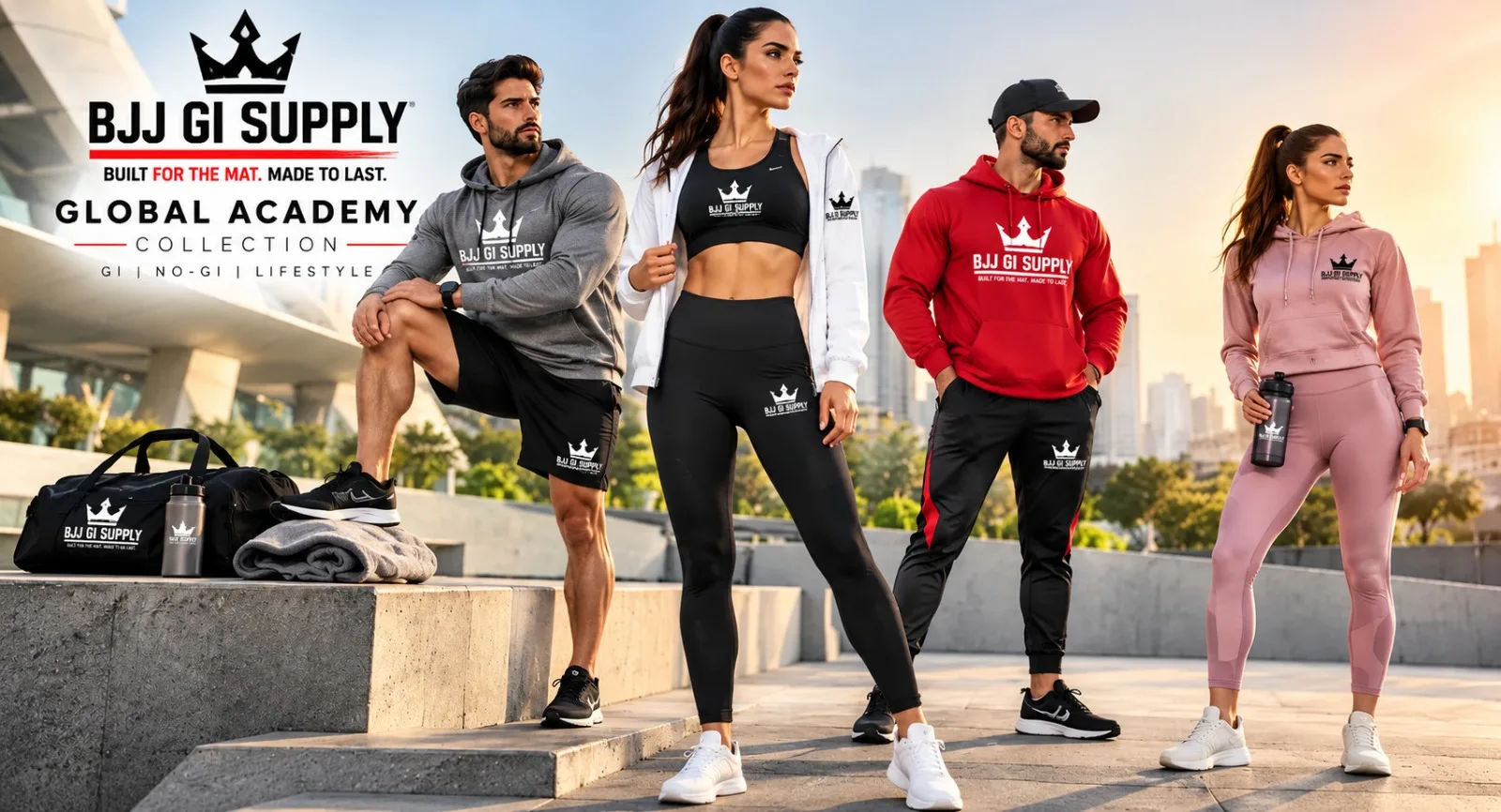
Understanding how to check Sports Wears quality helps you make smarter purchasing decisions. Instead of focusing only on price, colour, or brand names, you can examine the fabric, stitching, fit, flexibility, and other important features before buying.
A good-quality product should support your movements, manage sweat, and remain comfortable during physical activity. It should also withstand regular washing without fading, stretching, or developing holes. Learning these simple checks can help you find clothing that offers better value for money.
1. Examine the Fabric Quality
Fabric is one of the most important factors to consider when evaluating sports clothing. The material affects breathability, flexibility, durability, and comfort. Before purchasing an item, check its fabric composition and feel the material between your fingers.
Good sports fabrics should suit the activity for which they are designed. For example, running shirts require effective moisture management, while yoga leggings need sufficient stretch and flexibility.
Check the Material Composition
Different fabrics offer different benefits.
-
Polyester: This synthetic fabric is lightweight, durable, and commonly used in workout clothing. It often dries quickly and helps manage moisture.
-
Nylon: Nylon is known for its strength, smooth texture, and resistance to wear. It is frequently used in leggings, shorts, and fitted athletic garments.
-
Spandex or elastane: This material provides stretch and helps clothing move with your body. It is often blended with nylon or polyester.
-
Cotton: Cotton is soft and comfortable for casual wear, but it absorbs moisture and may become heavy during intense exercise.
-
Merino wool: This natural fibre can help regulate temperature and manage odour, making it useful for certain outdoor activities.
The best choice depends on your needs. A polyester-spandex blend may work well for high-intensity training, while a merino wool shirt may suit hiking in cooler weather.
Feel the Fabric Before Buying
Sports Wears bjj gi over the material and notice its texture. Quality fabric should generally feel consistent, without unexpected rough patches, thin areas, or loose fibres.
Gently stretch the material if the product allows it. It should return to its original shape rather than remaining loose or distorted.
However, softness alone does not guarantee quality. Some durable performance fabrics have a slightly firm texture, so consider the intended use and construction as well.
2. Inspect the Stitching and Seams
Stitching plays a major role in determining how long sports clothing will last. Even high-quality fabric can fail if the seams are poorly constructed.
Before buying, examine the areas that experience the most movement and tension, such as the shoulders, underarms, waistbands, crotch, and inner thighs.
Look for Neat and Consistent Stitches
Good stitching usually appears even, secure, and consistent throughout the garment. There should not be many loose threads, skipped stitches, or visible gaps along the seams.
Gently pull the fabric on either side of a seam. The stitching should remain secure without opening noticeably.
Flatlock seams can be useful in performance clothing because they may reduce friction against the skin. Reinforced seams are also valuable in garments designed for demanding activities.
Check High-Stress Areas
Sports clothing often experiences repeated stretching, bending, and movement. Weak seams may split during workouts, especially around fitted areas.
For leggings, inspect the inner thighs and crotch. For sports shirts, check the shoulders and underarms. For jackets, examine the zippers, cuffs, and pocket seams.
Paying attention to these details helps you identify potential weaknesses before purchasing.
3. Test Stretch and Flexibility
Sports clothing should allow you to move naturally without feeling restricted. Flexibility is especially important for activities such as weightlifting, running, cycling, yoga, and gymnastics.
A garment that looks good while standing still may become uncomfortable during exercise if it lacks sufficient stretch.
Perform a Simple Stretch Test
Gently stretch a small section of the fabric and release it. Quality stretch material should recover reasonably well without developing permanent wrinkles or loose areas.
Avoid pulling too hard, as this could damage the garment or distort the test.
For leggings, shorts, and fitted tops, check whether the material stretches in the directions needed for your activity. Four-way stretch fabrics can move both horizontally and vertically, making them useful for exercises involving a wide range of motion.
Check Recovery and Shape Retention
Stretching is only one part of the test. The fabric should also return to its original shape after movement.
Poor recovery can cause knees, elbows, waistbands, and other areas to become baggy over time.
A well-made garment combines suitable elasticity with stable construction, helping it maintain its fit during repeated workouts and washing.
4. Evaluate Breathability and Moisture Management
Sweating is a normal part of physical activity. However, clothing that traps heat and moisture can make exercise uncomfortable.
Breathable fabrics allow heat and water vapour to escape more effectively, helping you stay comfortable during training.
Understand Moisture-Wicking Properties
Moisture-wicking fabrics move sweat away from the skin towards the outer surface of the material, where it can spread and evaporate.
This feature is particularly useful for runners, gym users, cyclists, and athletes who exercise for extended periods.
Check the product label for terms such as moisture-wicking, quick-drying, and breathable. These descriptions can help you understand the intended performance, although they do not independently prove product quality.
Consider Ventilation Features
Some sports garments include mesh panels around the back, underarms, or sides. These areas can improve airflow when positioned appropriately.
For outdoor activities, consider whether the garment balances breathability with protection against wind, rain, or cold temperatures.
Remember that breathability varies between materials and garment designs. A lightweight shirt suitable for summer running may not provide enough insulation for winter training.
5. Check the Fit and Comfort
Fit is essential because clothing should support movement without creating unnecessary pressure or distraction.
A garment that is too tight may restrict movement, while clothing that is too loose may interfere with certain exercises or equipment.
Try the Clothing Before Buying
If possible, try the garment on and perform a few simple movements. Raise your arms, bend your knees, squat, or walk around.
Check whether the clothing pulls at the shoulders, slides down at the waist, or creates uncomfortable pressure around the joints.
For leggings, make sure the waistband stays in place without digging into your skin. For shirts, check that the shoulders and sleeves allow comfortable movement.
Look for Irritating Details
Labels, rough seams, stiff waistbands, and poorly positioned zippers can cause discomfort during long workouts.
High-quality sports clothing should minimise unnecessary friction and feel comfortable against the skin.
If you are purchasing clothing for long-distance running or endurance sports, comfort becomes especially important because even a small irritation can become more noticeable over time.
6. Test Colour Quality and Resistance to Fading
Colour quality affects both appearance and the long-term value of a garment. Poorly dyed fabric may fade unevenly or transfer colour during washing.
Although fading does not always indicate poor performance, it can suggest that the clothing may not maintain its original appearance.
Inspect the Colour and Surface
Look carefully at the fabric under good lighting. The colour should appear reasonably consistent, without unexplained patches, stains, or uneven dye marks.
If the store permits it, gently rub a clean, light-coloured cloth against an inconspicuous area to check for colour transfer. Avoid this test if it could damage the item or violate store policies.
Read the Care Instructions
Care labels explain the recommended washing temperature, drying method, and other maintenance requirements.
Follow these instructions to help preserve the fabric and colour. Avoid assuming that every sports garment can be washed in hot water or placed in a tumble dryer.
Some performance materials can be damaged by excessive heat, harsh detergents, or fabric softeners. Proper care can extend the life of even high-quality clothing.
7. Examine Zippers, Waistbands, and Other Components
Small details can reveal a great deal about the overall construction of sports clothing.
Zippers, drawstrings, buttons, elastic bands, pockets, and reflective elements should be securely attached and suitable for the intended activity.
Test Zippers and Drawstrings
If the garment includes a zipper, open and close it several times. It should move smoothly without catching the fabric or separating unexpectedly.
Drawstrings should be firmly attached and long enough to adjust the garment comfortably.
For running shorts and training trousers, a secure waistband can help prevent the clothing from slipping during movement.
Check Pockets and Reflective Details
Pockets should be positioned sensibly and stitched securely. If they are designed to hold a phone, keys, or small accessories, consider whether they are large enough for those items.
Reflective details can improve visibility during outdoor exercise in low-light conditions. Check that they are firmly attached and positioned where they can be seen.
For sports clothing intended for cycling or running at night, visibility features can be an important safety consideration.
8. Consider Durability and Long-Term Performance
Durability determines how well clothing withstands regular exercise, friction, washing, and repeated stretching.
A garment may appear excellent when new but develop pilling, holes, loose seams, or faded colours after a short period of use.
Look for Signs of Weak Construction
Inspect the fabric for thin patches, loose fibres, uneven surfaces, and weak-looking seams.
For products already used as samples, examine the areas that are most likely to experience friction. However, avoid judging every material by thickness alone because lightweight fabrics can also be highly durable.
Understand Pilling and Abrasion Resistance
Pilling occurs when small fibre balls develop on the fabric surface due to friction. Some materials are more likely to pill than others.
Abrasion resistance describes how well a fabric withstands rubbing against other surfaces. It is particularly important for sports such as cycling, hiking, and strength training.
If durability is a priority, review product specifications, independent testing information, and customer feedback about long-term use.
9. Check Brand Reputation and Product Authenticity
Brand reputation can provide useful information, but an expensive label does not automatically guarantee excellent quality.
Some less expensive products perform well, while premium items may not suit every activity or budget.
Read Customer Reviews Carefully
Look for reviews that describe actual use over time rather than comments about appearance alone.
Useful feedback may mention whether the fabric shrinks, the seams remain secure, the waistband stretches out, or the material becomes uncomfortable during exercise.
Reviews from people who use the clothing for activities similar to yours are often more relevant.
Verify Authenticity and Product Information
When purchasing branded clothing, use trusted retailers and check the product details carefully.
Unusually low prices, inconsistent labels, poor printing, and questionable packaging may indicate counterfeit goods, although no single sign proves that an item is fake.
Check the manufacturer's website for product specifications, sizing information, care instructions, and warranty terms when available.
10. Choose Sports Clothing According to Your Activity
Different activities require different clothing features. Selecting garments based on your exercise routine helps you avoid paying for features you do not need.
Gym and Strength Training
For gym workouts, choose flexible materials that allow you to squat, lift, bend, and stretch comfortably.
Look for secure waistbands, durable seams, and fabrics that manage sweat. Clothing should remain in place without restricting movement.
Running and Cycling
Running clothing should generally be lightweight, breathable, and comfortable over long distances.
Cycling garments may require a closer fit to reduce unnecessary movement and friction. Depending on the type of cycling, padded shorts and reflective details may also be useful.
Yoga and Low-Impact Exercise
Yoga clothing should stretch easily and remain comfortable in different positions.
Choose fabric that moves with your body without becoming transparent when stretched. Check the waistband, seams, and overall coverage during bending and stretching.
Outdoor Sports and Hiking
Outdoor activities may require additional protection against wind, rain, cold, or strong sunlight.
Consider weather-resistant outer layers, suitable insulation, breathable base layers, and durable construction. The right combination depends on the climate and intensity of the activity.
11. Compare Price with Overall Value
Price is an important consideration, but the cheapest garment is not always the most economical choice.
A low-cost shirt that loses its shape after a few washes may need frequent replacement. A slightly more expensive product that lasts much longer may offer better value.
Calculate Cost Per Use
Think about how frequently you expect to wear the item and how long it is likely to last.
For example, a shirt costing more initially may be a better investment if you use it several times each week and it remains comfortable for a long period.
However, paying more does not guarantee better construction. Compare the fabric, stitching, fit, care requirements, and product reviews before deciding.
Look for a Reasonable Balance
Set a budget and prioritise the features that matter most for your activity.
You may not need premium technical fabrics for occasional walking, but moisture management and durability could be more important if you train every day.
A thoughtful purchase balances price, comfort, performance, and expected lifespan.
Conclusion
Checking sports clothing quality does not require specialist knowledge or expensive testing equipment. By examining the fabric, stitching, flexibility, breathability, fit, colour, and construction details, you can make a more informed decision before buying.
The most important step is to match the garment to your activity. Running, gym training, yoga, cycling, and outdoor sports all place different demands on clothing. A suitable product should provide the right balance of comfort, durability, movement, and moisture management.
When evaluating Sports Wears, do not rely only on brand names, attractive designs, or high prices. Inspect the seams, test the stretch gently, read the care label, and consider feedback from customers who have used the product over time.
It is also helpful to think about long-term value. Clothing that maintains its shape, colour, and comfort through regular use can save money and reduce the need for frequent replacement.
Ultimately, good-quality sports clothing should support your activity rather than distract you from it. Taking a few minutes to check these features can help you choose garments that feel comfortable, perform reliably, and last longer. With careful selection, you can build a practical sports wardrobe that suits your fitness goals, personal preferences, and budget.