
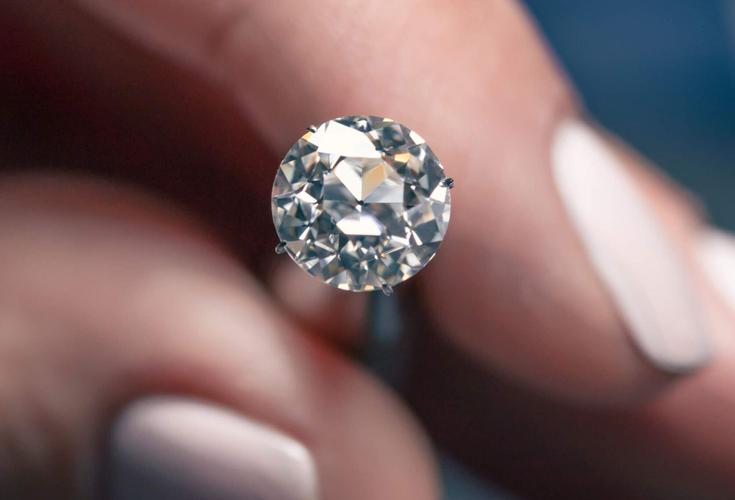
Diamonds are among the most captivating and prized materials on Earth. For centuries, they have symbolized wealth, luxury, and love, captivating human imagination and becoming the ultimate symbol of elegance and prestige. But what makes diamonds so special? In this article, we will explore the history, formation, characteristics, uses, and significance of diamonds.
1. What is a Diamond?
A diamond is a precious gemstone that consists of pure carbon atoms arranged in a crystal lattice structure. This arrangement is what makes diamonds the hardest known natural material on Earth, with a rating of 10 on the Mohs scale of mineral hardness. Diamonds are formed under extreme pressure and temperature conditions deep within the Earth’s mantle, typically at depths of around 90 miles (150 kilometers) or more, where the right conditions allow carbon atoms to crystallize into a diamond structure.
2. The Formation of Diamonds
Diamonds are created through a unique geological process. Over millions of years, carbon atoms are subjected to intense heat and pressure beneath the Earth’s surface. The carbon atoms bond in a crystalline structure, and the result is the formation of diamonds. These diamonds are then transported to the Earth’s surface by volcanic eruptions through kimberlite pipes, where they are mined.
The age of most diamonds can vary significantly. Some diamonds are billions of years old, having formed in the early days of the Earth. Others may have formed much more recently, but regardless of their age, each diamond is a testament to the immense natural forces at work beneath the Earth.
3. The 4 Cs: How Diamonds Are Graded
When it comes to purchasing diamonds, their value is determined by a set of criteria known as the "4 Cs." These include:
-
Carat Weight: This refers to the size of the diamond. One carat is equivalent to 200 milligrams. Larger diamonds are rarer and more expensive.
-
Cut: The cut refers to how well the diamond has been shaped and faceted. A well-cut diamond will exhibit brilliance and sparkle, while a poorly cut diamond may appear dull, even if it is large and of high quality.
-
Color: Diamonds are graded based on the absence of color. The most valuable diamonds are colorless, but diamonds can also be found in various shades, ranging from near colorless to yellow, brown, and even rare colors such as blue, pink, or green.
-
Clarity: Clarity refers to the presence of internal or external imperfections, known as inclusions and blemishes. A flawless diamond is rare and therefore commands a higher price.
These 4 Cs together help buyers understand the overall quality of the diamond and determine its value in the marketplace.
4. Uses of Diamonds
Diamonds are not just a symbol of romance and luxury, but they also have practical applications. Their exceptional hardness makes them useful in a variety of industries. Some key uses of diamonds include:
-
Jewelry: Diamonds have long been used in rings, necklaces, earrings, and bracelets. The most famous use of diamonds is in engagement rings, where they represent everlasting love and commitment.
-
Industrial Applications: Due to their hardness, diamonds are used in cutting, grinding, drilling, and polishing tools. In industries such as mining and construction, diamonds are indispensable for their durability and ability to cut through hard materials.
-
Technology: Diamonds have unique properties that make them valuable in electronics and quantum computing. Their thermal conductivity and optical properties make them ideal for certain high-tech applications, such as in semiconductors and lasers.
5. Diamond Mining
The mining of diamonds is an incredibly complex and labor-intensive process. Diamonds are typically found in kimberlite pipes and alluvial deposits. The process begins with the discovery of diamond-rich areas, followed by excavation and extraction. Major diamond-producing countries include Russia, Botswana, Canada, Australia, and South Africa.
However, diamond mining has raised ethical concerns over the years, particularly with regard to so-called "blood diamonds" or "conflict diamonds." These diamonds are mined in war zones and sold to finance armed conflicts against governments. To combat this, international organizations like the Kimberley Process Certification Scheme have been established to prevent the trade of conflict diamonds and promote ethical mining practices.
6. Diamonds in Culture and History
Diamonds have been highly revered throughout history. In ancient India, diamonds were considered to possess mystical properties and were used in religious ceremonies. The word "diamond" comes from the Greek word "adamas," meaning "unconquerable" or "invincible," reflecting the diamond's indestructibility.
Diamonds also hold great significance in various cultures. In the West, they are a traditional symbol of love and commitment, particularly when set in engagement rings. The phrase "A diamond is forever," coined by the De Beers company in the 1940s, became a powerful marketing slogan that reinforced diamonds as the ultimate symbol of lasting love.
7. The Future of cvd diamond testing machine s
As technology advances, new innovations in diamond production are emerging. One of the most exciting developments is the creation of synthetic diamonds, which are laboratory-grown but possess the same physical, chemical, and optical properties as natural diamonds. These diamonds offer an ethical and sustainable alternative to mined diamonds, as they do not require the same environmental impact or labor-intensive mining practices.
Moreover, diamonds continue to be a subject of fascination in the field of quantum computing and advanced technologies, where their unique properties may play a significant role in the development of new materials and systems.
Conclusion
Diamonds remain one of the most sought-after and fascinating substances on Earth. Their formation is a marvel of nature, and their uses extend far beyond jewelry. From industrial applications to their cultural and symbolic importance, diamonds hold a special place in human history. As technology progresses, the future of diamonds is likely to evolve, but their allure and timeless beauty will remain ever relevant. Whether natural or lab-grown, diamonds will continue to captivate us for generations to come.